
Top Benefits of Heat Pump Installation for Your Home
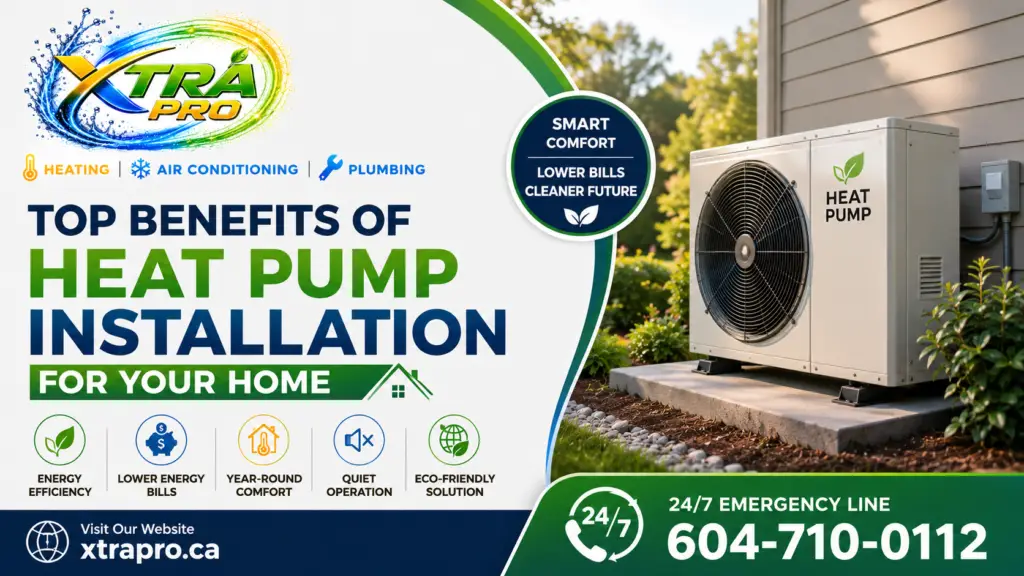
A heat pump is an energy-efficient heating and cooling system that transfers heat rather than generating it through combustion. By moving heat instead of creating it, heat pumps can use significantly less energy than many traditional heating systems while providing reliable year-round comfort. A professionally installed heat pump can help lower utility bills, improve indoor air quality, reduce environmental impact, and increase your home’s overall value. Most residential heat pump installations are completed within one to two days, depending on the home’s layout, system type, and any required electrical or ductwork upgrades. If you’re looking for a more efficient way to heat and cool your home, a heat pump is one of the smartest long-term investments you can make. Unlike furnaces that burn fuel to produce heat, a heat pump uses electricity to transfer heat between the indoors and outdoors. During the winter, it extracts heat from the outside air and brings it inside, while in the summer, it reverses the process to keep your home cool and comfortable. Whether you’re replacing an aging furnace or installing a new HVAC system, a properly sized and professionally installed heat pump offers dependable performance, lower operating costs, and consistent indoor comfort throughout every season. What Is a Heat Pump? Definition: A heat pump is an electric HVAC system that heats and cools a home by transferring heat between indoor and outdoor air, rather than generating heat through combustion. How it works: · In winter: The heat pump extracts heat from outdoor air, even in cold temperatures, and moves it indoors. · In summer: The process reverses. The system removes heat from indoor air and releases it outside, cooling the home. Core Components of a Heat Pump Component Function Compressor Pressurizes refrigerant to move heat Refrigerant Carries heat between indoor and outdoor units Indoor coil Absorbs or releases heat inside the home Outdoor coil Absorbs or releases heat outside the home Expansion valve Regulates refrigerant flow and pressure Features of Modern Heat Pumps · Variable-speed compressors · Inverter technology · Quiet operation · Precise temperature control · High energy efficiency (SEER and HSPF rated) Types of Heat Pumps There are four main types of residential heat pumps air-source, ductless mini-split, ground-source (geothermal), and hybrid. Each suits different home layouts and budgets. Type Best For Key Advantage Air-Source Heat Pump Most homes with existing ductwork Lower operating costs, easy installation Ductless Mini-Split Homes without ductwork Room-by-room control, high efficiency Ground-Source (Geothermal) Homeowners wanting maximum efficiency Very low running costs, long lifespan Hybrid System Cold climates Automatic switching between heat pump and furnace Air-Source Heat Pumps The most common residential heat pump. It transfers heat between indoor and outdoor air and works well in most home types. Benefits: efficient heating and cooling, lower operating costs, easy installation. Ductless Mini-Split Heat Pumps A ductless system designed for homes without existing ductwork, such as additions, older homes, or garages. Benefits: room-by-room temperature control, higher efficiency, reduced energy waste. Ground-Source (Geothermal) Heat Pumps A system that uses stable underground temperatures to heat and cool a home. Benefits: outstanding efficiency, very low operating costs, long lifespan. Trade-off: higher upfront installation cost. Hybrid Heat Pump Systems A system that pairs a heat pump with a traditional furnace and automatically switches between the two based on outdoor temperature. Benefit: maximizes efficiency in regions with cold winters. Top Benefits of Heat Pump Installation The seven core benefits of heat pump installation are lower energy bills, combined heating and cooling, consistent comfort, environmental benefits, quiet operation, better indoor air quality, and increased home value. 1. Lower Energy Consumption Heat pumps transfer heat rather than generate it, which lowers electricity use compared to furnaces and baseboard heaters. Result: lower monthly utility bills, reduced energy waste, long-term cost savings. 2. Heating and Cooling in One System A single heat pump replaces both a furnace and an air conditioner. Result: simplified maintenance, one system instead of two. 3. Year-Round Indoor Comfort Heat pumps deliver steady, continuous airflow instead of short bursts of hot or cold air. Result: even temperatures, fewer hot and cold spots, better humidity control. 4. Environmental Benefits Lower electricity consumption reduces a home’s environmental impact. Result: fewer greenhouse gas emissions, less fossil fuel dependence, improved sustainability. 5. Quiet Operation Modern heat pumps run more quietly than older HVAC systems, due to variable-speed compressors and improved fan design. Result: suitable for bedrooms, home offices, and quiet neighborhoods. 6. Improved Indoor Air Quality Heat pumps continuously circulate and filter indoor air. Result: reduced dust, allergens, pet dander, and airborne particles. Regular filter replacement further improves air quality. 7. Increased Home Value Energy-efficient upgrades increase resale appeal. Result: lower operating costs, modern HVAC technology, reduced maintenance, year-round comfort for future buyers. Why Professional Heat Pump Installation Matters Professional installation directly affects a heat pump’s efficiency, lifespan, and warranty validity. Incorrect installation is one of the leading causes of heat pump underperformance. A licensed HVAC technician ensures: · Correct system sizing for the home · Safe electrical connections · Proper refrigerant charging · Optimal indoor and outdoor unit placement · Maximum energy efficiency · Compliance with manufacturer warranty terms Consequences of improper installation: · Higher utility bills · Uneven indoor temperatures · Frequent breakdowns · Reduced system lifespan Heat Pump Installation in Vancouver Vancouver’s moderate, temperate climate allows heat pumps to operate efficiently throughout the year, making them a practical choice for both winter heating and summer cooling in the region. Benefits for Vancouver homeowners: · Reliable winter heating · Efficient summer cooling · Lower electricity consumption · Reduced dependence on traditional heating systems · Consistent indoor comfort Factors to evaluate before installation: · Home size · Existing ductwork · SEER rating (cooling efficiency) ·